
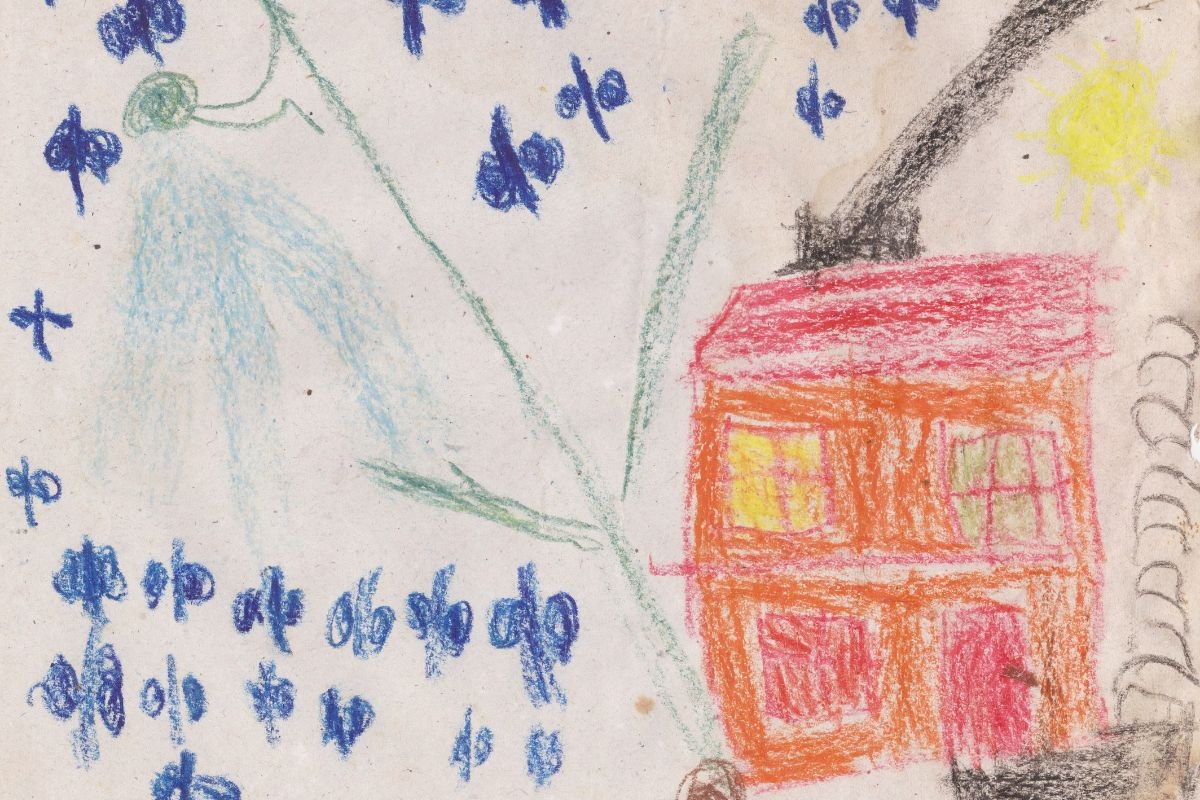
Digitizing children’s art before framing is one of the smartest ways to preserve memories while keeping your home organized.
Kids create a lot of artwork, and while every piece feels special, space and storage are limited.
Digitization lets you save everything—without the clutter—while still choosing favorite pieces to display proudly on your walls.
Why Digitizing Children’s Art Matters
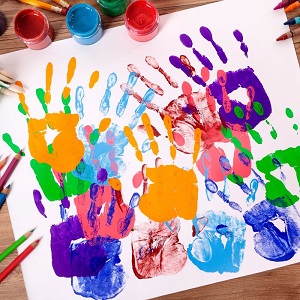 Children’s artwork is fragile. Crayon fades, paper yellows, and paint can crack over time.
Digitizing artwork creates a permanent backup that won’t be affected by sunlight, humidity, or accidental spills.
It also gives you peace of mind knowing that even if the original is lost or damaged, the memory remains intact.
Digital copies allow you to revisit every stage of your child’s creative journey, long after the originals may be gone.
What Types of Art Should Be Digitized
The short answer is: all of it. From scribbles and finger paintings to school projects and handmade cards, every piece tells a story.
Digitizing doesn’t mean you need to frame everything—it simply gives you the option to preserve it.
Especially valuable pieces include first drawings, artwork tied to milestones, holiday projects, and anything with your child’s handwriting or age noted on it.
Best Ways to Digitize Children’s Artwork
There are two main methods: photographing and scanning.
Photographing artwork is ideal for large, textured, or three-dimensional pieces like paintings and collages.
Use natural light, lay the art flat, and photograph it straight-on for best results.
Scanning works well for flat paper artwork and produces crisp, high-quality images that are easy to store and print later.
Whichever method you choose, consistency matters—use the same setup so your collection feels cohesive.
Organizing Digital Art Files for Easy Access
A good organization system saves time and frustration later.
Create folders by year, child’s name, or school grade. File names like “Emma_Age5_SpringFlowers” make it easy to search and reminisce.
Cloud storage options are especially helpful, allowing you to access artwork from anywhere and share it easily with family members.
Organization turns a random digital pile into a meaningful archive.
Choosing Which Pieces to Frame
Once artwork is digitized, you can confidently choose which pieces deserve a physical frame.
Look for art that shows creativity, emotional expression, or personal significance.
Framing becomes intentional rather than overwhelming. You can rotate framed pieces throughout the year, knowing that every artwork—displayed or not—has already been preserved digitally.
How to Scan and Digitize Your Art for Art Prints: A Step-by-Step Tutorial Video:
Turning Digital Art into Keepsakes
Digitized artwork opens the door to creative keepsakes.
You can create photo books, calendars, greeting cards, or even reprints of favorite drawings.
These options allow children’s art to live on in multiple forms while keeping originals safe or archived.
Digitizing children’s art before framing isn’t about replacing physical displays—it’s about protecting memories.
By preserving every piece digitally, you free yourself to frame what matters most, celebrate creativity, and build a lasting record of your child’s imagination.