
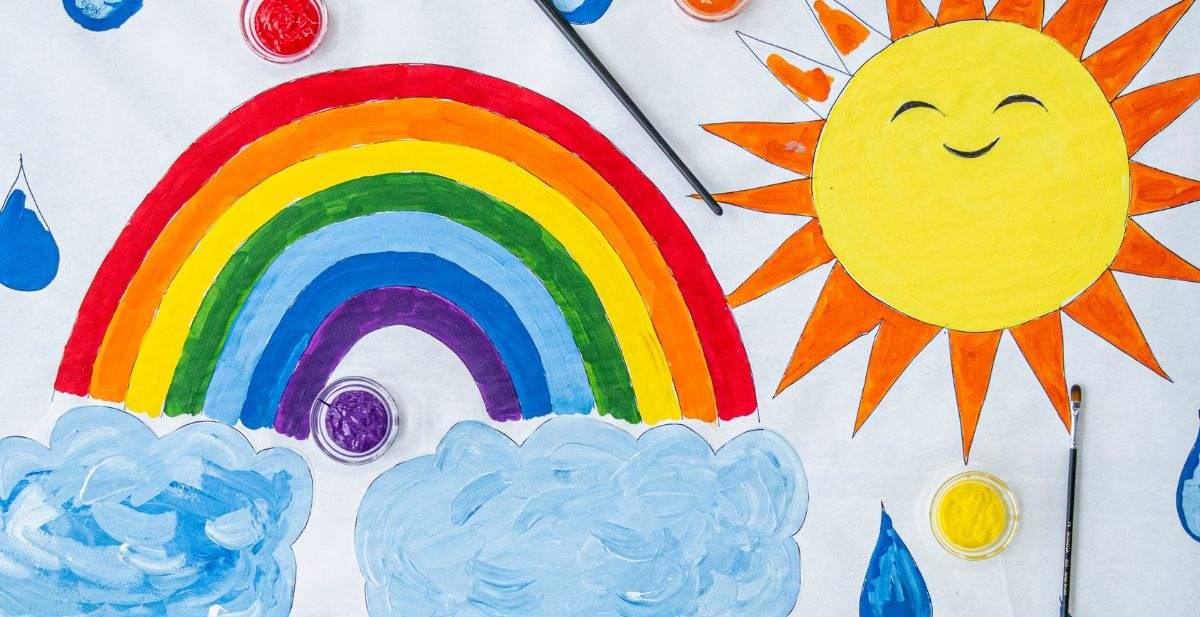
What happens when your children’s art can’t be framed? That is where storage solutions for kids’ artwork become essential. No one wants to throw away their artwork.
Kids create an incredible amount of artwork. Paintings, drawings, paper crafts, clay projects, and school assignments often come home in a steady stream.
While some pieces are perfect for framing, many are too large, too delicate, or simply too numerous to display on your walls.
That doesn’t mean they should be tossed aside.
With the right storage solutions, you can keep your child’s artwork safe, organized, and easy to enjoy whenever you want to revisit those memories.
Use a Large Art Portfolio for Kids’ Artwork You Can’t Frame
Some artwork is too big or oddly shaped to fit in a frame.
A large artist’s portfolio is one of the easiest ways to keep these pieces flat and protected.
You can purchase portfolios in different sizes or make a simple homemade version using poster boards and tape.
Label the outside with your child’s name and age or divide it by school year.
A portfolio keeps everything together and prevents bending or tearing, making it one of the best long-term solutions for special oversized art.
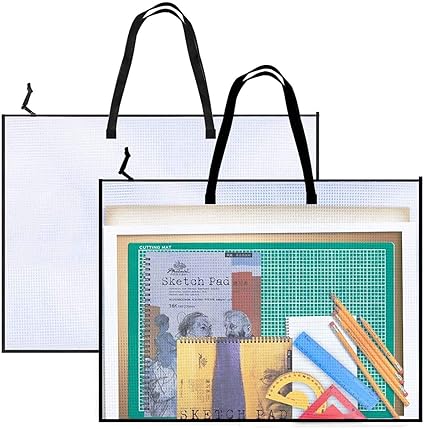
With a size of 19 x 25 inches, this portfolio is spacious enough for artworks and sketchbooks smaller than 19 x 25 inches. Forget your backpack and keep all your projects well organized in this art storage bag.
Try an Expanding File Folder for Small, Frequent Pieces
If your child brings home smaller drawings or weekly worksheets, an expanding accordion file can help you stay organized without much effort.
Choose a folder with multiple pockets and label them by month or grade level.
This makes it easy to sort artwork quickly so it doesn’t pile up on counters.
It also gives you a simple way to review everything at the end of the school year and decide which pieces are worth keeping.

An accordion file organizer can expand well to hold a lot of files and collapse small enough to take up less space. Perfect for storing your children's artwork rather than throwing them away due to a lack of storage space.
Store 3D Art in Clear Plastic Bins
Not all art is flat. Many children love to build with clay, cardboard, paper, recycled materials, and craft supplies.
These creations often take up more space and are trickier to store.
A clear plastic storage bin is a great option because it protects the artwork while keeping it visible.
You can dedicate a bin to each child or sort by age.
Add a soft layer of tissue or bubble wrap inside to prevent delicate projects from crumbling.
Stacking bins makes it easier to keep your storage area tidy.
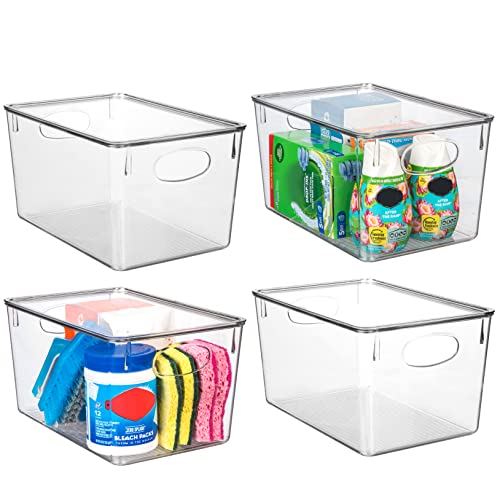
Easily put these organizing bins with lids side by side to have instant organization in any room – use them in craft rooms, laundry/utility rooms, bedrooms, bathrooms, kitchens, offices, garages, toy room, playroom and more.
Create a Digital Archive for Long-Term Preservation
Even with storage bins and portfolios, you may eventually run out of space.
A digital archive is a simple way to preserve memories without keeping every physical piece.
Snap photos of your child’s artwork or scan important pieces.
You can organize the images into folders, create yearly photo books, or even turn the artwork into printed keepsakes.
Digital storage lets you keep every memory while reducing physical clutter in your home.
Use a Keepsake Box for the Most Meaningful Work
Some artwork deserves a special place. A decorative keepsake box is ideal for the pieces you or your child treasure most.
This could include their first recognizable drawing, a holiday craft, or a school project with sentimental value.
A keepsake box makes it easy to revisit those moments anytime without having to search through larger storage containers.
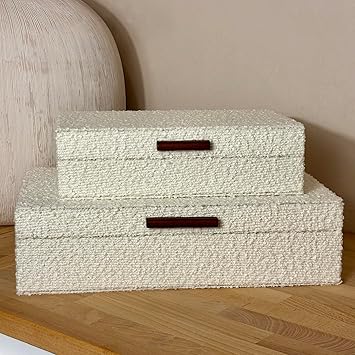
This set includes a small and large box that nest perfectly inside one another – space-saving and easy to store when not in use. Perfect as a keepsake box, photo storage, or elegant gift packaging.
Finding the Solution for Storing Your Child’s Artwork
You don’t need to frame every piece of your child’s artwork to preserve it.
With the right storage solutions, you can protect oversized, fragile, or high-volume creations while keeping your home organized.
Whether you choose portfolios, bins, expanding files, or digital archives, each option helps you celebrate your child’s creativity without feeling overwhelmed by clutter.